How DocuPet is Reducing Barriers to Cat Reunification

When it comes to intake and reunification, most animal welfare systems were built around a simple assumption: lost pets arrive with identifiable ownership information that can be quickly accessed.
In practice, that assumption does not always hold – especially for cats.
For shelters and field teams, cats more frequently enter care without immediate identifiers that connect them to an owner. Even when microchips are present, records may be outdated or incomplete, requiring additional investigation before reunification can occur. This increases time in care, adds pressure to already limited intake capacity, and reduces opportunities for immediate return-to-home outcomes.
As a result, staff may need to rely on time-intensive investigation, extending shelter stays and reducing opportunities for fast returns home. Each missing layer of identification reduces the likelihood of a quick match and increases time spent in care.
This is where accessible, centralized registration becomes important. DocuPet’s free pet registration program helps create an early connection point between pets and their families, supporting both pet owners and the organizations working to reunite them.
Creating a Direct Path to Ownership Information
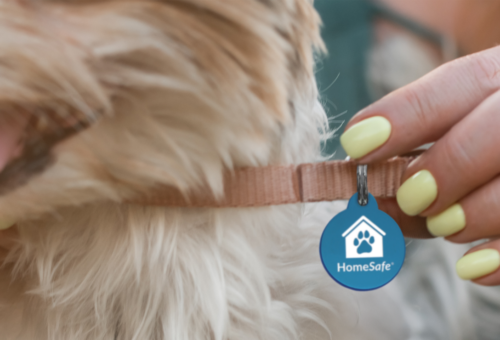
A DocuPet registration links a pet’s ID tag to a centralized online profile, giving shelters and finders immediate access to ownership details when a pet is located.
Unlike microchips, which require specialized scanning equipment and access to registration databases, an ID tag allows contact information to be retrieved immediately at the point of discovery. While most members of the public do not have access to a microchip scanner, most do carry a smartphone. This accessibility enables field officers, veterinary teams, and community members to initiate reunification efforts quickly and without delay.
For shelters, the registration profile provides a verified source of owner information that can be used during intake processing or follow-up contact, reducing time spent manually resolving ownership. Registered stray cats that enter shelter care even without their ID tag on can be looked up in DocuPet’s pet record search tool. The search tool allows shelters in the National Animal Shelter Network to search by location, color, sex and other key identifiers to create faster return-to-home outcomes, even for unidentified cats.
Expanding Recovery Through Connected Networks
Identification alone is not always enough to secure a match at intake. Connected recovery systems add another layer of support when traditional methods do not immediately result in a connection.
DocuPet has partnered with Petco Love Lost, a national lost and found database that uses photo-matching technology to connect lost and found pets across shelters, rescues, and communities, to help facilitate pet reunification. When a pet owner notifies DocuPet that their pet is missing, with their consent, DocuPet will immediately send the pet information to Petco Love Lost, thereby streamlining the process and reducing the burden for the pet owner.
For shelters, this adds a broader search layer at intake. A cat entering care can be compared against active lost pet reports across the network, helping surface potential matches that may not appear in local records alone. For cats, where ownership information is not always immediately available, photo-matching technology can provide an additional avenue for identifying a potential owner when traditional identification methods do not produce a match.
Lost pet reports can also be shared with DocuPet’s National Animal Shelter Network, extending visibility across participating shelters and creating additional opportunities for pets and owners to be connected.
Together, these systems help reduce missed connections and improve the likelihood that existing matches are identified quickly.
Strengthening Return-to-Home Outcomes for Cats
For shelters, improving cat reunification outcomes directly impacts intake capacity, length of stay, and resource allocation across the organization.
When cats arrive without immediate identifiers, reunification depends on how effectively systems can surface ownership information across multiple channels. Registration data, ID tags, lost pet reporting, and national recovery networks each contribute to that process.
By connecting these elements into a unified system, DocuPet helps shelters reduce time spent on ownership investigation and improve the likelihood of successful return-to-home outcomes.
Continue Reading