Building a Culture of Return-to-Home: What It Means and Why Your Organization Needs It

In the animal welfare sector, we are all intimately familiar with the acronyms of our daily work. For years, Return to Owner (RTO) has been a primary metric of success—a celebratory moment when a pet is reunited with their family inside shelter walls. But as shelter capacities strain across North America, a more expansive concept has taken center stage: Return to Home (RTH).
Unlike traditional shelter-centric models, a true Culture of Return-to-Home means adopting an inclusive, community-wide mindset beyond the walls of the shelter. It shifts the focus from simply managing pets once they arrive at the shelter, to empowering animal control officers, volunteers, and good Samaritans to reunite lost pets directly in the neighborhood—keeping them out of the shelter system entirely wherever possible.
Understanding the Problem: The Reality of Stray Intake
Stray pets represent a significant portion of overall intake numbers for animal welfare organizations across North America. To build an effective response, we first have to understand the sheer scale of the challenge shelters face every day:
- High Intake Volume: In the United States, almost six million cats and dogs enter the shelter system annually, with stray animals consistently making up the strong majority—often around 60%—of all intakes.
- The Challenge of Reunification: Despite the high volume of incoming stray animals, overall reunification numbers remain remarkably low. In the U.S., community return rates for stray dogs hover under 20%, while the return rate for lost cats sits at a stark single digit.
- Shifting Trends: In recent years, historical data and anecdotal tracking show that reunification rates have experienced a noticeable downward trend. While certain regions once boasted incredibly high return rates—particularly for dogs—shelters everywhere are now seeing those numbers decline, putting more pressure on shelter resources.
The Value Proposition: Why RTH Matters for Your Bottom Line
Investing energy into a proactive Return-to-Home culture isn’t just a feel-good strategy—it is a critical operational tool for managing capacity and reducing organizational strain. Shifting your focus to RTH offers profound benefits across your entire ecosystem:
- Capacity & Cost Management: Operating a shelter at a sustainable capacity reduces the overall Length of Stay (LOS) and significantly cuts down on operating costs.
- Infection Control & Herd Health: Fewer animals in close quarters means less opportunity for diseases to spread, reducing the need for medical care and lessening the burden on your veterinary team.
- Mitigating Kennel Stress: Eliminating or minimizing a pet’s time in a high-stress kennel environment preserves their well-being.
- Staff and Volunteer Longevity: Reducing overall intake naturally decreases daily labor demands, giving your overworked team breathing room to focus on the animals that truly need specialized care.
- Community Alignment: Keeping pets out of shelters builds community support, fosters non-judgmental relationships with pet owners, and ultimately expands your donor base.
Shifting the Mindset: Designing a Culture of RTH
A Culture of Return-to-Home means that everyone’s goal—from field officers and shelter receptionists to volunteers and finders—is to help lost pets get back to their families without delay. To operationalize this culture, organizations must lean into several core components:
- Tailor Policies to Support Easy Reunification: Evaluate your rules and empower key staff members with the discretionary authority to make quick, common-sense decisions that prioritize getting a pet home.
- Reduce Reclaim Barriers: Reconsider punitive fines, or rigid hours that make it difficult for an owner to retrieve their pet. Approach owners with zero judgment or shame—shifting the narrative away from “irresponsible pet parents” and toward “community support”.
- Aggressively Promote Identification: Visible tags remain the absolute fastest way to identify a lost pet. Awareness campaigns should heavily promote up-to-date tags, microchips, and community registrations.
- Leverage a Multi-Platform Lost & Found Strategy: Ensure your digital ecosystem utilizes your website, social media, community platforms (like Nextdoor or local missing pet pages), and unified tools like DocuPet and Petco Love Lost.
- Bust the “Irresponsible Owner” Myth: A modern Culture of RTH recognizes good people lose pets. A gate left open by a utility worker, a thunderstorm panic, or a broken collar shouldn’t result in a pet not getting back home. When we remove judgment from the equation and treat pet owners as partners, they are far more likely to engage with our licensing, microchipping, and support programs in the future.
The Right Tools for the Job: How DocuPet Can Help
Building this culture requires localized dedication, but nobody has to do it alone. At the end of the day, an effective Return-to-Home strategy relies on having the right infrastructure in place. That’s where DocuPet comes in.
DocuPet is leading the way by providing North America’s only complete registration and licensing solution, specifically designed to modernize reunification. We believe in normalizing the concept of “registration” for all pet owners, rather than solely focusing on legal mandates. To make this seamless, DocuPet offers:
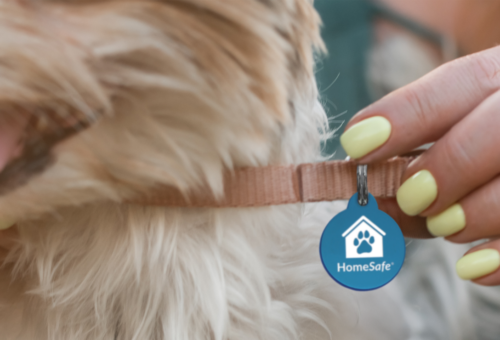
- Free Registration & Free HomeSafe® Tags: Every pet owner has access to a free online profile and a complimentary HomeSafe® identification tag, connected directly to a 24/7 lost pet recovery team.
- The National Animal Shelter Network (NASN): Managing over 4.5 million pet records across 300+ jurisdictions, NASN is completely free for shelter partners to join.
- National Pet Record Search: When a stray animal does enter your care, your staff can securely search the DocuPet database by Tag ID, microchip, tattoo, or physical attributes to immediately access pet profiles, medical information, and owner contact details—instantly accelerating field and shelter reunifications.
- Bridging Registration and Licensing Systems: Expands participation by connecting voluntary pet registration with established licensing programs, helping communities normalize registration as part of everyday pet ownership while strengthening identification, compliance, and return-to-home outcomes through a unified system.
Let’s Modernize RTH Together
Transitioning to a Culture of Return-to-Home is a journey that pays massive dividends for your staff, your community, and the animals in your care. By pairing compassionate, barrier-free shelter policies with powerful, free community registration tools, we can turn the tide on stray intake numbers and keep families whole.
Continue Reading