Building on Licensing: How DocuPet Ensures More Pets Can Be Identified
Pet licensing plays an important role in responsible pet ownership. It helps communities meet legal requirements, supports animal services, and creates an important connection between pets, their owners, and the community.
Requirements vary from community to community, giving communities an opportunity to extend identification to more pets, whether or not a license is required. At DocuPet, we believe every pet deserves a way to be connected with their family if they go missing.
How do we make sure more pets in our community have a way to be identified? Communities can build on the work they’re already doing through licensing to help make that possible, and DocuPet can help.
Licensing creates an important connection, but it doesn’t reach every pet
For pets that are licensed, the license tag provides an important form of identification. Because requirements vary by community, there is also an opportunity to make identification accessible to pets that aren’t required to be licensed.
In some communities, dogs must be licensed while cats do not. In others, licensing requirements apply to both. Regardless of the local requirements, pets that aren’t required to be licensed can still get lost and still need a way to be identified. Communities can help close this gap by making identification accessible to more pets, regardless of whether a license is required.
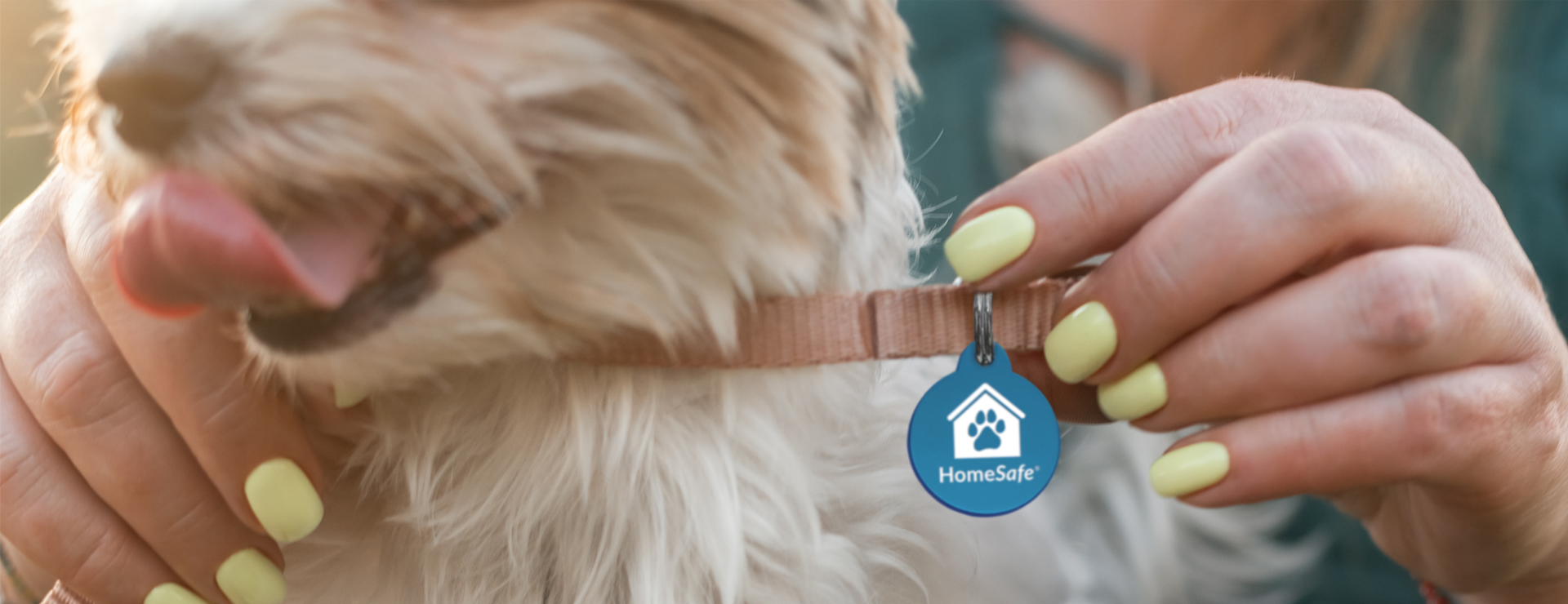
Through DocuPet’s Registration program, pet owners can receive a free first ID tag for their pet, helping communities put that approach into practice.
For communities already licensing pets, this is a natural extension of the work they’re doing today. They already have an established connection with pet owners, and DocuPet helps them use that reach to make identification accessible to more pets in their community.
Breaking down barriers to pet protection
For a pet owner, something as simple as an ID tag can be an important line of defense if their pet goes missing. Yet access to that protection isn’t always equal. Two pets living on the same street can have very different access to identification. A pet may be covered by a licensing requirement and receive a license tag, while another may not be subject to licensing. Cost and awareness can also influence whether a pet has an additional form of identification.
DocuPet’s Free Registration program helps level the playing field by making pet identification more accessible. It also helps communities address several barriers at once:
Removing the cost barrier
When an ID tag is free, pet owners don’t have to make another purchase to give their pet this important layer of protection.Reaching more pets
Not every pet is required to be licensed, but every pet can get lost. A free ID tag gives communities a way to reach pets that fall outside their licensing requirements.Making identification more accessible
The easier it is for pet owners to access an ID tag, the more likely it is that pets throughout the community will have one.Creating awareness
Every interaction is an opportunity to remind pet owners that identification matters—not just for licensed pets, but for every pet.Rethinking what pet protection can look like in communities
For communities, this isn’t about asking pet owners to do more. It’s about making pet identification simple and accessible. When more pets have a way to be identified, communities are better positioned to help them get home.
Licensing will continue to play an important role in municipal animal services. Communities can build on that foundation by making identification accessible to even more pets. By making ID tags available to more pets, communities can extend the reach of identification and give more animals a visible connection to the people who love them.
For DocuPet, that’s what modern pet protection looks like: building on the systems communities already have to create better outcomes for even more pets. When a pet goes missing, what matters most is having a way to connect them with their family and help them get home.
Continue Reading