A Designer Tag Is More Than Decoration — It’s a Smart Licensing Strategy

Walk through almost any dog park, and you’ll see a small but telling contrast emerge. One dog trots by with a bright, durable tag that’s easy to see even from a distance. A minute later, another dog passes with a metal tag so worn it’s impossible to make out the numbers, and then another dog walks by with no tag at all.
For pet owners, these differences might seem minor or purely aesthetic. But for animal service teams, the consequences are real: one pet can be returned home in minutes, while the other two dogs could spend hours lost and stressed and may enter the shelter system unnecessarily. The difference between these outcomes often comes down to something as simple as a worn, missing, or unreadable tag.
Shelters and animal services teams see the effects of these differences every day. Identification only works when a tag is visible, secure, and actually worn. A tag that breaks, fades, or never makes it onto a collar undermines even the strongest licensing and reunification programs. For agencies responsible for public safety and animal welfare, the quality and appeal of the tag play a direct role in reuniting pets with their families.
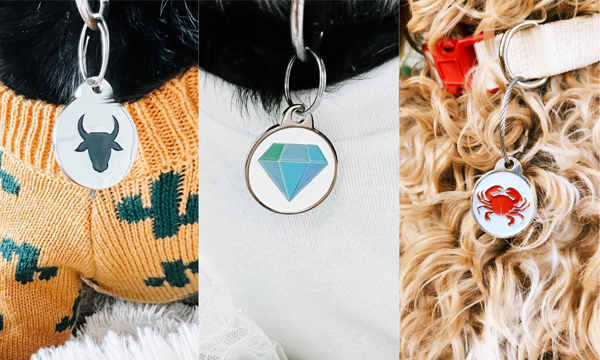
Licensing programs work best when identification fits seamlessly into daily life. While every licensed pet receives a standard tag that supports reunification, owners are more likely to keep tags on when they feel personal. Communities benefit from systems built around actual pet-owner behavior: tags that last, fit a wide range of pets, and appeal to owners are the ones that stay on. DocuPet supports this with designer tag options alongside standard tags, allowing owners to choose styles that reflect their pet’s personality or their own preferences. That sense of ownership helps identification feel less like a formality and more like part of everyday pet care, keeping more pets connected to their families and out of shelters.
Let Style Drive Compliance
Appearance plays a bigger role in pet identification than many people expect. For many owners, a tag is not just about meeting a requirement. It is something they notice, choose, and feel good about. Some are drawn to playful shapes or fun colors. Others prefer clean designs that match their pet’s name, breed, or everyday lifestyle.
Over time, many owners purchase multiple tags. Not because the original stopped working, but because tags become part of how they celebrate their pet. A new tag might mark a puppy’s first year, a rescue anniversary, a move to a new city, an upcoming holiday, or simply a change in style. In this way, tags stop feeling like a one-time task and become something owners actively choose.
That shift matters. When identification feels personal rather than purely administrative, owners are more open to licensing and more likely to keep their pet’s tag on. What starts as a design choice quietly supports better participation. For municipalities and shelters, that voluntary engagement helps build stronger participation across the community as a whole.
Why Communities Pay the Price for Worn or Missing Identification
A tag only works if it stays on the pet. Pets differ dramatically in size, activity level, and behavior, so a single tag will never meet every need. A ninety-pound shepherd may do well with a larger tag, while the same tag might feel bulky or uncomfortable for a five-pound cat. A standard connector might hold up for a calm indoor pet but wear out quickly for an active outdoor dog.
Programs that offer multiple tag sizes, styles, and attachment options give owners a better chance of finding a tag that fits comfortably and stays secure. When tags don’t fit well, wear down quickly, or are simply not worn, identification gaps begin to form. Even small barriers to identification, such as missing tags, broken rings, or faded engraving, can delay reunification. Across an entire community, those small gaps add up. In 2024, roughly 5.8 million dogs and cats entered U.S. shelters and rescues. Reducing preventable identification barriers helps return pets home faster, frees staff time, lowers stress for pets, and improves overall outcomes.
Identification That Supports Community Reunification
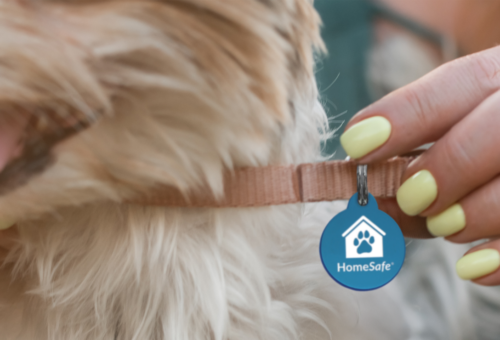
Every DocuPet tag is part of a connected system designed to quickly reunite lost pets with their owners. Each tag includes a unique code that works with HomeSafe®, a 24/7 lost pet service for reporting and locating pets. This service is further strengthened through free registration powered by DocuPet in the National Pet Registry (NPR), which securely stores pet records across North America, while the National Animal Shelter Network (NASN) provides shelters with the National Pet Record Search tool to quickly verify a pet’s identity, even across communities. Together, these tools create a seamless network that helps ensure pets wearing tags can be identified and returned home efficiently.
Better Tags, Stronger Communities
A well-designed tag is more than a piece of metal. It is a critical tool in a community-wide system that keeps pets safe, keeps owners informed, and makes shelters more efficient.
Integrated services like HomeSafe® and networks like the NASN amplify the impact of consistent identification, turning every tag into a point of connection between pets, owners, and agencies. Designer tags play a central role by combining reliability with pride of ownership, encouraging compliance without coercion.
The evidence is clear: thoughtful improvements in tag design can prevent pets from entering shelters unnecessarily, reduce stress for animals and pet owners, and strengthen trust and efficiency in municipal and shelter programs. When communities embrace tags that pets actually wear, they create a system where identification works as it should, reunifications happen faster, and every pet has a better chance of returning home safely.
Learn how modern tag design and integrated reunification services improve compliance, reduce shelter intake, and support animal services teams.
Continue Reading