Creating Disaster-Ready Pet Reunification Through DocuPet’s National Pet Registry
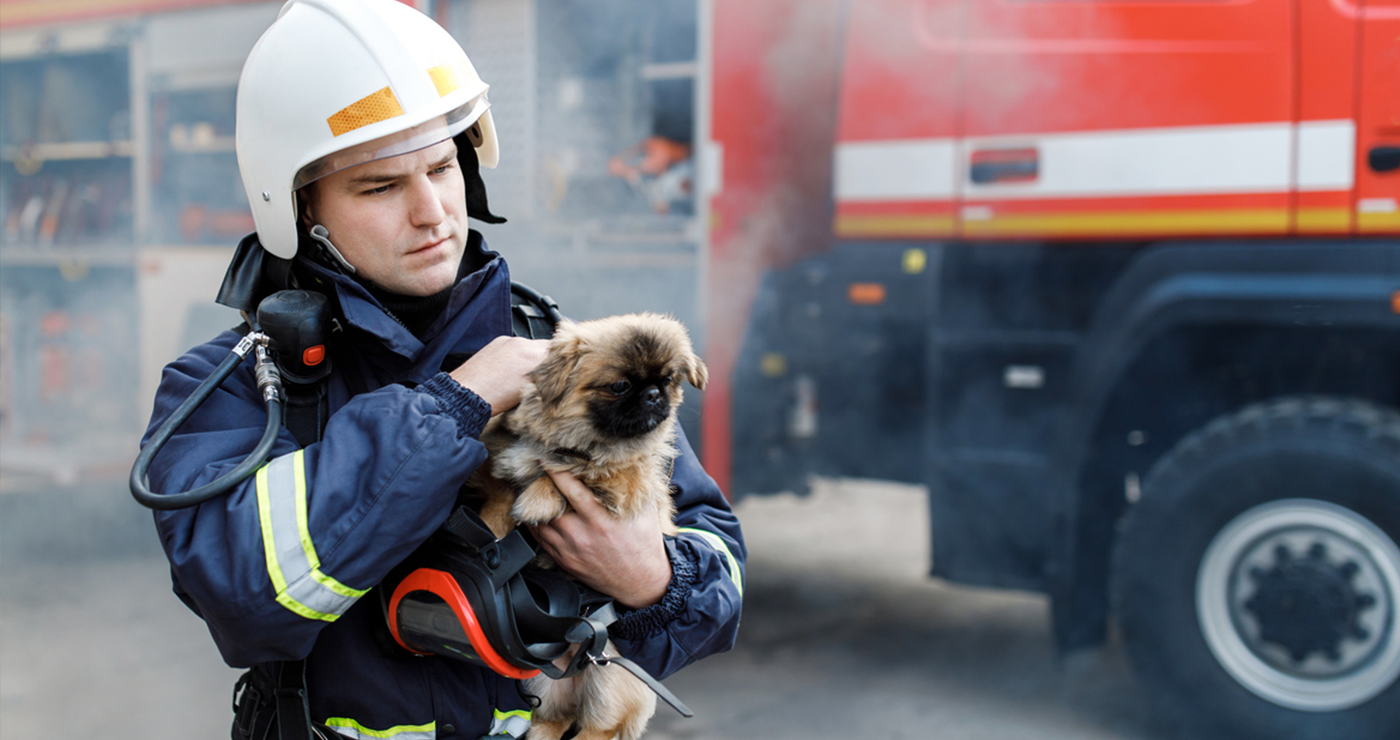
When disaster strikes, communities need to move quickly. Emergency management teams coordinate evacuations, and shelters prepare for intake surges. Yet one of the most consistently underestimated components of emergency preparedness is not evacuation logistics or shelter capacity, but the infrastructure that enables rapid pet reunification.
In mass displacement events, pets are frequently separated from their families. Evacuations that cross municipal, provincial, or state boundaries, combined with overwhelmed shelters and fragmented local systems, make reunification increasingly difficult.
For municipalities, shelters, and animal welfare organizations, this creates immediate operational challenges. Intake numbers rise, shelter capacity tightens, and staff spend valuable time manually searching for owner information.
The reality is simple: disaster preparedness must include pets.
And increasingly, that preparedness starts with connected pet licensing systems.
The Limits of Traditional Licensing Systems
Legacy pet licensing systems were built for local administration and compliance, not cross-jurisdictional emergency response. In everyday operations, they serve their purpose. In disaster scenarios, they quickly become a bottleneck.
Shelters may receive intake from multiple regions simultaneously while emergency responders coordinate across agencies with limited shared visibility into pet ownership data. Even when pets are properly licensed or identified, disconnected systems can delay access to critical information such as owner contact details or medical notes. Those delays compound under emergency conditions, contributing to:
- Extended shelter stays and reduced capacity turnover
- Increased operational strain on already overwhelmed facilities
- Slower reunification outcomes for displaced families
Why United Pet Licensing Matters
The gap in traditional systems is not identification, but connectivity.
Through DocuPet’s pet registration and licensing platform, every registered and licensed pet becomes part of the National Pet Registry, creating a connected reunification network that supports municipalities, shelters, and animal welfare organizations during both everyday lost pet cases and large-scale emergencies.
This connected infrastructure is further strengthened through DocuPet’s National Animal Shelter Network (NASN), which expands collaboration between shelters, municipalities, and animal welfare organizations to support faster identification and reunification efforts during both routine lost pet cases and large-scale emergencies.
Within DocuPet, every pet is linked to a secure digital profile that can include owner contact information, emergency contacts, care instructions, vaccination records, medical notes, and identifying details such as photos and physical descriptors. Because this information is connected through the National Pet Registry, authorized agencies and participating NASN partners can search and match pets across participating jurisdictions in real time.
In emergency situations where a pet may not be wearing visible tags, responders can still use the search tools to locate a match by searching available attributes (such as physical description, photo, and medical or ownership details) and location data, significantly increasing the chances of rapid reunification.
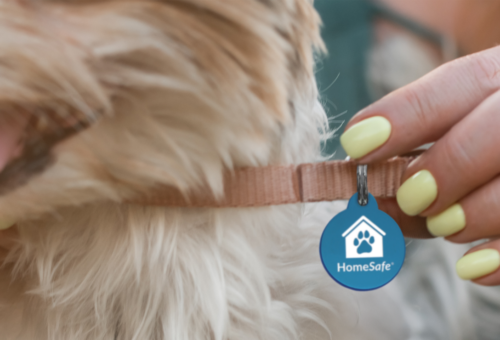
DocuPet’s free HomeSafe® service adds another layer to reunification by allowing members of the public to report found pets directly through the tag or contact 24/7 live support. In disaster scenarios, this can help reunite owners with pets before they ever enter the shelter system, reducing unnecessary intake.
For shelters and municipalities, DocuPet enables faster access to verified information, eliminates reliance on siloed systems, improves coordination between agencies, and significantly accelerates return-to-owner outcomes during both routine operations and emergencies. For pet owners, it ensures their pet’s information remains accessible through DocuPet’s network even when displacement forces them outside their home community.
Supporting Emergency Response Operations
The importance of connected reunification infrastructure became especially visible during the 2025 Eaton Fire in California.
As evacuations spread across the region, Pasadena Humane, a DocuPet partner since 2021, became a central emergency response hub for displaced animals, rapidly scaling intake to support hundreds of pets and wildlife impacted by the disaster. The organization coordinated emergency sheltering, medical care, lost pet reporting, and reunification efforts under extreme operational pressure.
This type of response highlights a critical reality: reunification speed determines shelter capacity. Every pet that is quickly identified and returned through coordinated systems directly frees up space, reduces intake delays, and allows resources to shift toward the most urgent cases.
Prepared Communities Plan Ahead
The communities best positioned to respond effectively during emergencies are those that invest in allied systems before a crisis occurs. This includes maintaining accurate and complete pet registration data, ensuring broad participation in licensing programs, and integrating reunification tools into operational workflows for shelters and municipal teams.
Every pet licensed through DocuPet strengthens the National Pet Registry, expanding a connected reunification network designed to support faster recovery and coordinated emergency response across jurisdictions. By connecting licensing, reunification, and real-time access to pet information across jurisdictions, DocuPet helps turn preparedness into action.
Continue Reading