The Power of a Unified Pet Registry: Connecting Communities Through Shared Data

Protecting pets is a community effort—and increasingly, it is a data challenge. Municipalities, shelters, animal welfare organizations, veterinarians, and pet owners all have information that can help keep pets safe and reunite them with their families. The opportunity now is to make that information work more effectively across the broader community.
DocuPet’s National Pet Registry is designed to do just that. By connecting pet information throughout communities and organizations, DocuPet is creating a stronger infrastructure for identification, collaboration and ultimately, reunification.
Why a Connected Approach Matters
Pet protection has become increasingly interconnected. Pets are part of families, communities, and public spaces, while the organizations responsible for their care operate across different roles and geographies. A municipality may manage licensing, a shelter may care for a found pet, an animal control officer may be the first point of contact, and a pet owner may be searching for their missing companion—all with different pieces of information that can help. The challenge is making sure those pieces can come together when they are needed.
DocuPet believes the answer is a more connected approach to pet information. Through its National Pet Registry, DocuPet is creating shared infrastructure that allows participating communities and animal welfare organizations to contribute to and benefit from a broader network of pet records.
The opportunity to protect a pet doesn’t end at the point where a local record was created. When information can move with the pet and remain accessible to the organizations that need it, communities have more opportunities to identify pets, locate owners, and bring the right people into the process.
For communities, this means pet protection can extend beyond individual programs and organizations. It becomes a shared effort supported by shared infrastructure—and DocuPet is building the network to make that possible.
The National Pet Registry in Action
When a pet owner registers their pet with DocuPet, a digital pet profile is created as part of the National Pet Registry. The profile brings together information that can help identify the pet and connect them with their owner, including their name, species, breed, identifying characteristics, license information, microchip number, owner contact information, and other details that can support pet protection.
Pet owners can keep their pet’s information up to date, while authorized organizations can access the information they need when helping identify a pet. This gives participating communities and animal welfare organizations a more complete picture of the pets they encounter.
The registry also gives communities a way to extend the value of the information they already collect. A municipal license record, for example, can become part of a pet’s broader digital profile rather than existing only as a local record. Microchip information, identifying details, and owner information can similarly contribute to a more complete record. This creates a shared foundation that can serve different needs without requiring every organization to collect or maintain the same information independently.
The result is a pet record designed to be useful beyond a single interaction—a centralized source of information that can support identification and reunification whenever and wherever it is needed.
One Source of Information. Many Points of Connection
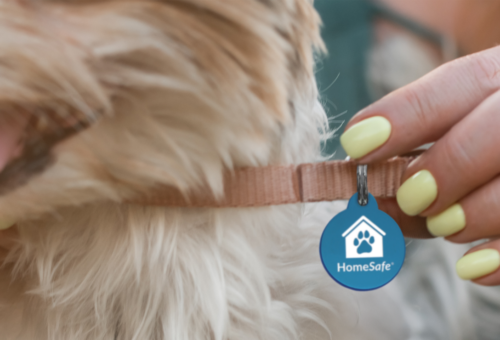
The connection between a pet’s physical identification and digital profile is an important part of the network. DocuPet tags feature a unique QR code and 8-digit code that link directly to a pet’s online profile. If a pet goes missing, the person who finds them can use either code to access the pet’s profile and the information that can help identify them to ultimately connect them with their owner. The tag can also help initiate a lost pet report, creating a direct link between the found pet and the people working to bring them home.
DocuPet also provides 24/7 lost pet protection and support, giving pet owners access to resources and assistance when they need it, not just during business hours. Together, the physical tag, digital profile, and ongoing support create multiple ways to help a lost pet get identified and back home.
Collaboration Makes the Difference
The value of shared data becomes particularly clear when a pet goes missing. Traditionally, a shelter may have to search its own system, check a microchip database, contact other agencies, or rely on an owner finding their way to the right organization. Every additional step creates another opportunity for a reunion to be delayed or even never happen at all.
Through the National Pet Registry, participating shelters can search millions of pet records using information such as tag or microchip numbers, as well as physical characteristics when traditional identification is unavailable. Authorized owner information can then be accessed when a match is found. This creates something individual agencies cannot build alone: cross-community visibility.
Shelters can collaborate rather than duplicate efforts. Municipalities can contribute to a broader ecosystem rather than maintaining an isolated database. Animal welfare organizations gain another way to connect the pets they encounter with the families looking for them. When these organizations work from connected information, the entire community benefits.
Building the Infrastructure Communities Need
As pet protection continues to evolve, communities have an opportunity to think beyond individual systems and programs and consider the infrastructure that connects them. Municipalities, shelters, animal welfare organizations, and pet owners each have an important role to play, but their collective impact can be greater when they have a shared foundation for exchanging and accessing information.
DocuPet is leading this shift by building that infrastructure at a national scale. Through the National Pet Registry, DocuPet is bringing communities and animal welfare organizations into a broader ecosystem designed to support identification, reunification, and collaboration.
The more communities that participate, the more powerful that network becomes. What starts with one pet record can help create a stronger connection between an owner, a shelter, a municipality, and the organizations working to protect pets. That is the promise of a unified pet registry, and the future of pet protection DocuPet is building with its partners.
Continue Reading