The Pet ID Gap: Why Animal Control Officers Need Better Tools in the Field

When a loose dog is picked up by an Animal Control Officer, the first question is simple: does the animal have identification? The second question is more complex: can that identification be acted on quickly and efficiently in the field?
Microchips, name tags, and other forms of ID exist, but real-world use is often slower and more complicated than it appears. Officers may need to search multiple databases or navigate incomplete tag information, all while working under time pressure. Even when a pet is identifiable, these steps can delay reunification and sometimes result in unnecessary shelter transports.
This is where a unified platform like DocuPet changes the equation. A DocuPet tag does more than just display a phone number, it links directly to a centralized, verified pet profile containing owner and emergency contacts, medical notes, behavioral considerations, and care instructions. Officers can instantly access this actionable information in the field, reducing the need for multiple searches, phone calls, or unnecessary shelter transports, and enabling faster, safer reunifications.
Microchips: Reliable, but Not Always Actionable

Microchips serve as a permanent form of identification and play an important role in linking pets to their owners, particularly in shelter or veterinary settings where there is time to investigate. In the field, however, their limitations become more apparent.
An officer might scan a dog in the back of the truck and retrieve a microchip number, but that is only the beginning of the process. Chips can migrate within the body, making them harder to detect, and not all scanners are universal, particularly when older equipment is in use. Even when a chip is successfully read, determining which database to search, whether a record exists, and if the contact information is still accurate can take time that officers simply do not have in the field.
There is also a broader perception challenge. Many pet owners believe that a microchip alone is enough to ensure their pet’s safe return, creating a false sense of security. In reality, a chip is only effective if it can be quickly located, accurately matched, and tied to up-to-date information. In many cases, animals are transported not because identification is absent, but because it is not immediately usable when it matters most.
By integrating microchip data with licensing records and owner profiles, DocuPet brings these identifiers into a single, searchable environment. What was once fragmented becomes actionable, allowing officers to move from scan to contact without navigating multiple systems or delaying next steps.
Tags: Simple, Visible, and Built for the Field
Tags have always been the most practical form of identification in the field because they are visible, simple, and immediate. What has changed is what a tag can unlock.
Many pet owners view tags as secondary to microchips, something that can be lost or forgotten. In practice, the opposite is often true in the field. A visible tag is the fastest way to initiate contact, especially when time and access are limited.
An officer responding to a call in a residential neighborhood may find a loose dog wearing a tag. Instead of defaulting to transport to a shelter, they can search the tag ID from their phone or computer and instantly access the owner’s profile. In many cases, that leads to a phone call and a curbside reunion within minutes, especially given that most pets are found close to home.
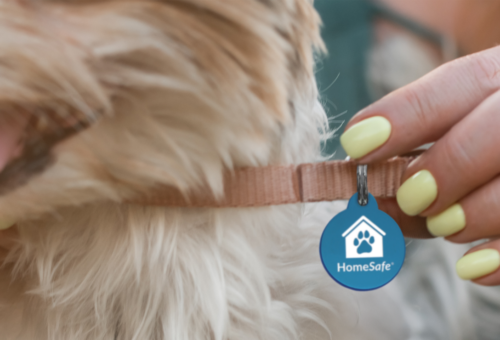
Within the DocuPet system, a tag is not just an identifier but a direct link to a unique digital profile tied specifically to that pet. Each tag includes a unique code that provides real-time access to important information such as owner and emergency contacts, medical notes, behavioral considerations, and care instructions that may be critical at the moment.
For an Animal Control Officer, this transforms a simple tag check into a comprehensive lookup. Instead of relying on a single phone number or delayed follow-up, officers have immediate access to the context they need to make informed decisions and often resolve the situation on the spot. This allows more pets to be returned directly from the field, avoiding unnecessary transport and intake.
The Field Reality: Tools Need to Match the Job
Animal control work does not happen at a desk. It happens in vehicles, on sidewalks, and in neighborhoods where decisions need to be made quickly. Systems that require office access, multiple logins, or delayed follow-up do not align with this reality. If identification cannot be accessed quickly, it often goes unused until the animal reaches a shelter.
Mobile-friendly systems change this by making information accessible wherever the work is happening. With DocuPet, officers can search tags, access owner profiles, and take action immediately from the field.
That includes the ability to add pets into DocuPet’s National Pet Registry, a centralized system designed to make reunification faster and more reliable. If an animal is untagged or not yet in the system, officers can provide the pet owner with the information needed to register for free. Once completed, the pet is issued a free tag that is mailed directly to the owner, linking them to a searchable profile with up-to-date contact details, emergency contacts, and key care information.
Instead of a missed opportunity, each interaction becomes a way to expand the network and improve future outcomes. Over time, this leads to more pets with accessible identification, fewer repeat calls, and more situations that can be resolved quickly in the field without transport. In practice, this means fewer unnecessary transports and more pets returned home from the location they were found.
Rethinking What “Effective Identification” Really Means
For Animal Control and Bylaw Officers, effective identification means having access to connected, accurate information that can be used without delay. When systems are designed with this in mind, pets are returned home more quickly, shelter resources are preserved for animals that truly need care, and officer time is used more efficiently.
Continue Reading